Set it to 45 to 50% relative humidity. That keeps mold and dust mites in check without making the unit run longer than it needs to. Go to 40 to 45% only to dry out after a leak or flood, and avoid settings above 55%, where mold can grow on cool basement walls.
Why 45 to 50% is the target
Mold needs surface moisture, and dust mites absorb water from the air; both struggle when indoor relative humidity stays below about 50%. Each step lower makes the dehumidifier work harder for less benefit, because the air is already near the point where the coil removes little extra water. So 45 to 50% is the efficient middle: low enough to protect the house, high enough to avoid wasted runtime.
| Space | Setting | Why |
|---|---|---|
| Finished basement | 45 to 50% | Protects drywall, carpet and stored items |
| Unfinished basement | 50% | Cool walls and slab condense moisture above this |
| Crawl space | 50 to 55% | Keeps wood framing below mold risk; encapsulated spaces hold it more easily |
| Bedroom or apartment | 45 to 50% | Comfortable and discourages dust mites |
| After a leak or flood | 35 to 40% temporarily | Dries materials faster; return to 45 to 50% once dry |
How the setting changes with the season
In summer, outdoor air is humid and basements stay cool, so a dehumidifier may run for long stretches to hold 50%; that is normal. In winter, heated indoor air is usually dry enough on its own, and many basements stay below 45% without help. If your unit barely runs in winter, switch it off rather than lowering the setting.
What each mode does
- Auto or humidistat mode: runs until the room reaches your setting, then cycles off and on to hold it. The right choice almost all the time.
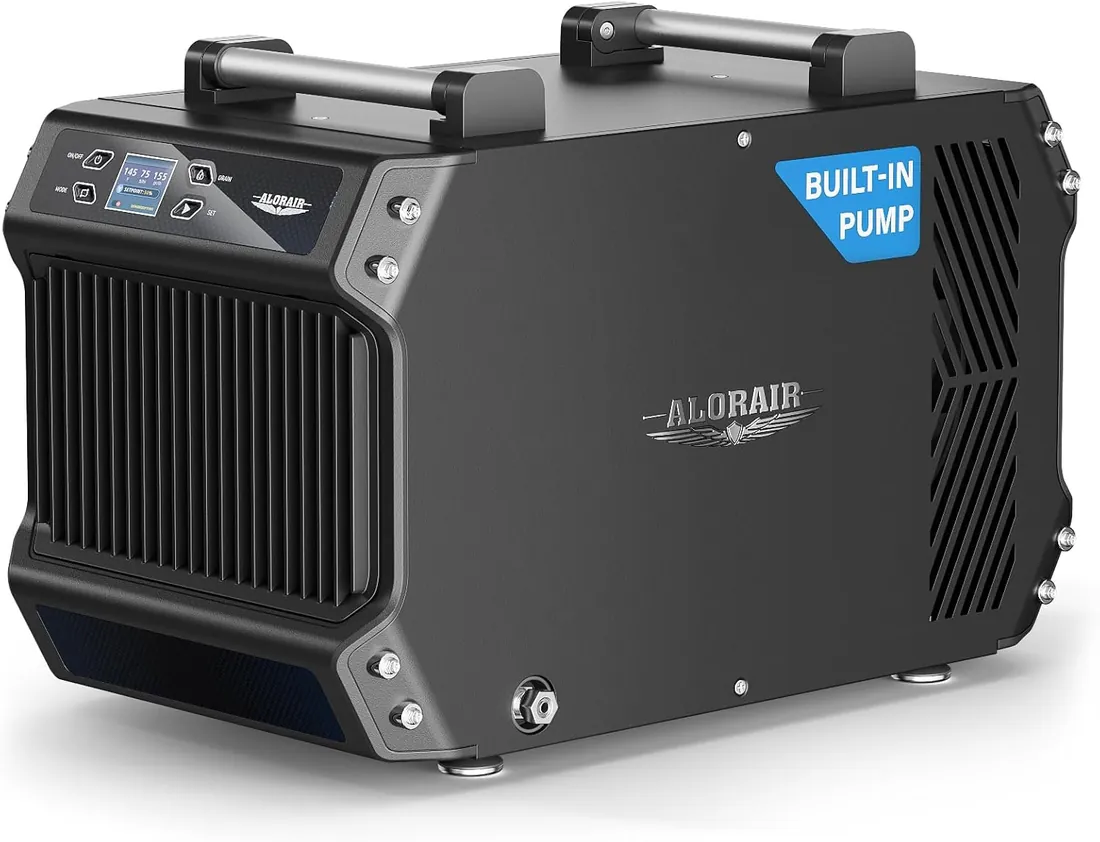
- Continuous mode: runs regardless of the reading. Use it for drying out after water damage, ideally with a hose to a drain so the bucket does not fill and stop the unit.
- Fan speed: high moves more air across the coil and removes water faster in large spaces; low is quieter for bedrooms.
- Fan-only or 'dry' modes: circulate air without removing moisture; useful only after the space is already dry.
Check the room is actually reaching it
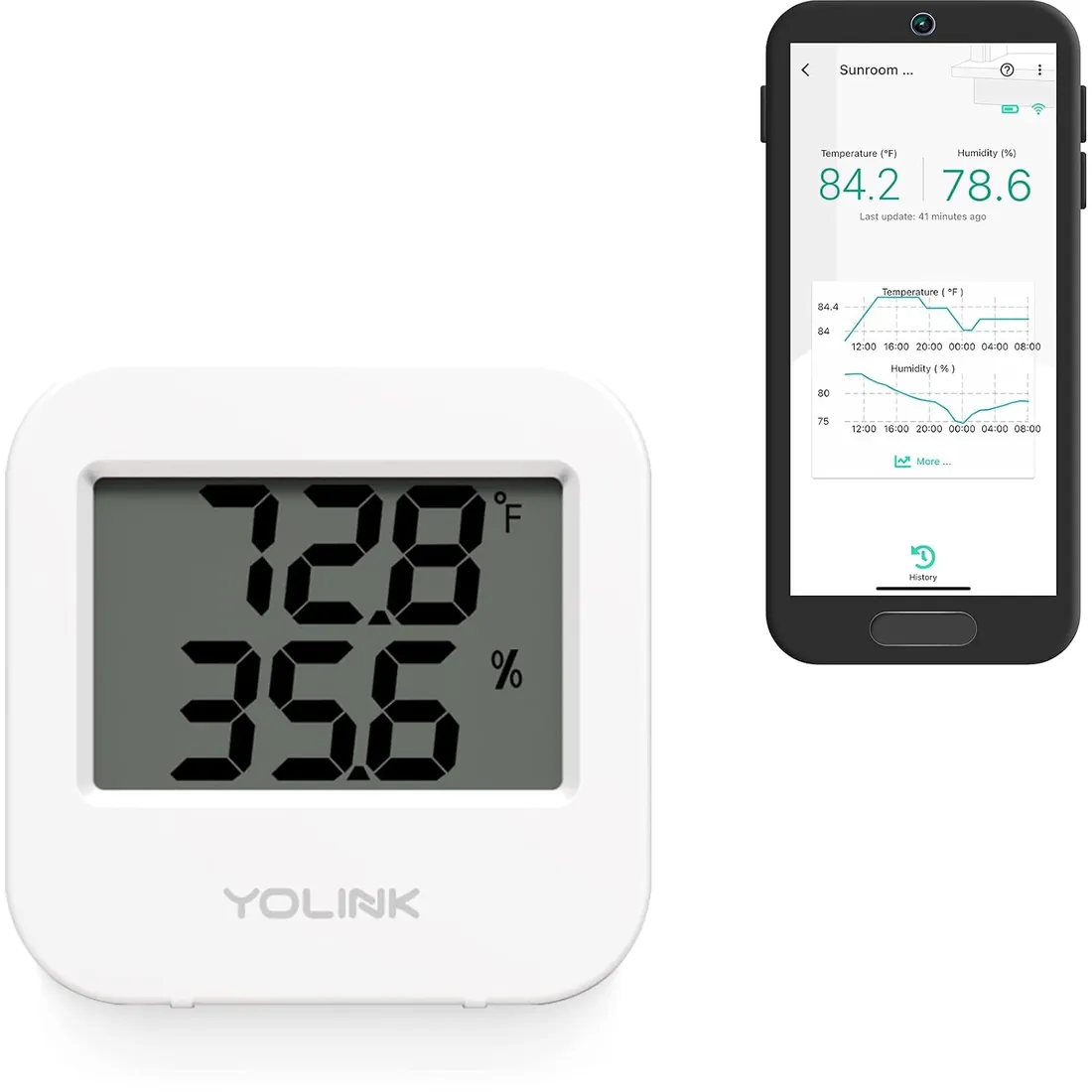
A dehumidifier's built-in sensor reads the air right at the unit, which is usually the driest air in the room. Put a separate hygrometer on the far side of the space, away from the dehumidifier, and compare the two readings over a few days.
- Far reading stays above 55%: the unit is undersized for the space, the door to a damp area is open, or the bucket keeps filling. See how to size a dehumidifier.
- Far reading matches within a few points: the setting is working.
- Readings jump around: check the hygrometer itself; see hygrometer accuracy and calibration.